অনুগ্রহ করে অপেক্ষা করুন। ছবি আটো ইন্সার্ট হবে।





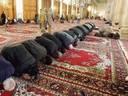 সালাত অর্থাৎ নামাজ মুসলিমদের জন্য মহান স্রষ্টার পক্ষ থেকে সবচেযে বড় উপহার। সোকেসে সাজিয়ে রাখার জন্য নয় বা প্রাণহীন অঙ্গভঙ্গির জন্যও নয়, বাস্তব প্রয়োগের মাধ্যমে এর শাশ্বত সৌন্দর্য্যকে উপলব্ধির মধ্য দিয়ে আত্মীক উন্নতি অর্জন ও কল্যাণপ্রাপ্ত হওয়ার জন্যই এই অমূল্য উপহারটি প্রদান করা হয়েছে। কিন্তু অনেক সময় দেখা যায়, ইমানদার হওয়ার পরও ছোটখাট মতভেদের কারনে কঠিন ভেবে অনেকে নামাজ থেকে পালিয়ে বেড়ান। তাই নামাজ কায়েমের পদ্ধতিকে ভীতিপ্রদ ও জটিল নয়, বরং রাসূলের (সাঃ) প্রদর্শিত সহজ-সরল পন্থায় সবার সামনে উপস্থাপন করা চাই। মূলত অজ্ঞতার কারনেই মানুষ স্রষ্টা প্রদত্ত শান্তি প্রাপ্তির এই বেহেশ্তি নেয়ামতের পরিপূর্ণ ফায়দা হাছিল করার সুযোগ থেকে বঞ্চিত হন। তাই সত্য তথ্য যেমন নিজেকে জানতে হবে, তেমনি অন্যকে জানানোর প্রয়াশ নিতে হবে। কারন নামাজকে উপেক্ষা করা বা শুধুমাত্র লোকদেখানো গদবাধা ক্রিয়াকর্ম হিসেবে নেয়া নয়, বরং বিশুদ্ধ চিত্তে ও রাসূলের (সাঃ) প্রদর্শিত সহজ-সরল পন্থায় নামাজ কায়েমের মধ্যেই বিশ্বসীদের জন্য মঙ্গল রয়েছে।
আল্লাহতায়ালার নির্দেশানুযায়ী রাসূলের (সাঃ) অনুসরণ করা সম্পর্কীত আল-কোরআনের বাণী-
সূরা আন নিসা (মদীনায় অবতীর্ণ)
(০৪:৬৪) অর্থ- বস্তুতঃ আমি একমাত্র এই উদ্দেশ্যেই রসূল প্রেরণ করেছি, যাতে আল্লাহর নির্দেশানুযায়ী তার অনুসরণ করা হয়। যখন তারা নিজেদের উপর জুলুম করেছিল, তখন যদি তোমার কাছে আসত এবং আল্লাহর নিকট ক্ষমা প্রার্থনা করত এবং রাসূলও তাদের জন্য ক্ষমা চাইত, তবে অবশ্যই তারা আল্লাহকে ক্ষমাশীল ও পরম-দয়ালু রূপেই পেত।
সূরা আল আহযাব (মদীনায় অবতীর্ণ)
(৩৩:২১) অর্থ- নিশ্চয় তোমাদের জন্যে আল্লাহর রাসূলের মধ্যে উত্তম নমুনা রয়েছে, যে কারো জন্যই যিনি আল্লাহ ও শেষ দিবসের আশা রাখে এবং আল্লাহকে অধিক স্মরণ করে,
আমরা আগেই দেখেছি যে, আল-কো্রআনে দৈনিক পাঁচ ওয়াক্ত সালাত/নামাজ প্রতিষ্ঠা করার নির্দেশ দেয়া হয়েছে। (৩৩:২১) নং আয়াতে জানিয়ে দেয়া হলো, রাসূলের (সাঃ) মধ্যে বিশ্বাসীদের জন্য উত্তম নমুনা রয়েছে। কাজেই (০৪:৬৪) নং আয়াত অনুসারে আল্লাহতায়ালা যে সব বিষয়ে আল-কোরআনে স্পষ্ট নির্দেশ দিয়েছেন সেগুলো পালন করার ব্যাপারে রাসূলের (সাঃ) দেখানো পদ্ধতি অনুসরণ করা আমাদের অবশ্য কর্তব্য। আল-কোরআনে নামাজ প্রতিষ্ঠা করার স্পষ্ট নির্দেশ আছে। তাই ছোটখাট মতভেদ ভুলে রাসূল (সাঃ) যেভাবে নামাজ কায়েম/প্রতিষ্ঠা করেছেন, তাঁর দেখানো সেই নিয়ম ও সময়ের মধ্যে যথাযথভাবে দৈনিক পাঁচ ওয়াক্ত নামাজ কায়েম/প্রতিষ্ঠার জন্য সহী হাদিছ অনুসারে যথাসাধ্য চেষ্টা করতে হবে।
বিশেষ করে নামাজের সময় (২০:১৪) মহান আল্লাহর নাম স্মরণ করা, (০২:১৪৪) কিবলা মুখী হয়ে দাঁড়ানো, (৭৩:২০) আল-কোরআনের কিছু অংশ বিশেষ করে সূরা ফাতিহা পাঠ করা এবং (০২:৪৩), (০৯:১১২) রুকু ও সিজদা করা মুসলিমদের জন্য ফরজ এবং এ ক্ষেত্রে রাসূলের (সাঃ) দেখানো পদ্ধতিকে অবশ্যই অগ্রাধিকার দিতে হবে।
......................................................
আমার ফরজ সালাত/নামাজ
আল-কোরআন-
সূরা আল মু’মিনূন (মক্কায় অবতীর্ণ)
(২৩:০১) অর্থ- বিশ্বাসীরা অবশ্যই সফলকাম হয়ে গেছে,
(২৩:০২) অর্থ- যারা নিজেদের নামাজে বিনয়- নম্র;
সহীহ মুসলিম শরীফ- ২য় খন্ড, বাংলাদেশ ইসলামিক সেন্টার, পৃষ্ঠা- ২৪২
অনুচ্ছেদ- ৩৭) নামাযের রুকনগুলো সঠিকভাবে আদায করা এবং সংক্ষেপে পূর্ণাঙ্গভাবে নামাজ পড়া।
হাদিছ নং- ৯৫১: বারায়া ইবনে 'আযিয (রা) থেকে বর্ণিত। তিনি বলেন, আমি মুহাম্মাদ সাল্লাল্লাহু আলাইহি ওয়াসাল্লামের এর সাথে থেকে তাঁর নামায পড়ার নিয়ম-কানুন ভালভাবে পর্যবেক্ষণ করেছি। তাঁর দাঁড়ানো, তাঁর রুকু এবং রুকু থেকে সোজা হয়ে দাঁড়ানো, তাঁর সেজদা এবং দুই সেজদার মাঝে তাঁর বসা, অতঃপর তাঁর দ্বিতীয় সেজদা; তাঁর সালাম ফেরানো এবং সালাম ও নামায শেষ করে চলে যাবার মাঝখানে বসা- এর সবই প্রায় সমান (ব্যবধানে) পেয়েছি।
.........................................................
আল-কোরআনের (২৩:০২), (২৩:০১) বক্তব্য অনুসারে বিশ্বসীদেরকে সকল অহমিকা ত্যাগ করে বিনয়ের সাথে ও নম্রভাবে নামাজে দাঁড়ানোর কথা বলা হয়েছে। সুতরাং এটি নামাজ কবুল হবার একটি শর্ত বটে। তাছাড়া উপরের এই হাদিছটিতে রাসূলের (সাঃ) সালাত/নামাজ সম্পর্কীত বাহ্যিক বর্ণনা সংক্ষিপ্ত ও সুন্দরভাবে ফুটে উঠেছে। এর প্রতি লক্ষ্য রেখে এবং সেই সাথে অন্যান্য হাদিছ অনুসারে আমি সালাত আদায় করার সময় যে বিষয়গুলো মেনে চলার চেষ্টা করি-
১/ নামাজের ওয়াক্তের কথা মনে করে বিনয়ের সাথে ও নম্রভাবে কিবলামুখী হয়ে দাঁড়ানো,
২/ মহান আল্লাহতায়ালাকে স্মরণ করে তাকবির বলে নামাজ শুরুর সময় দুই কাধ বা কানের লতি বরাবর দুই হাত ওঠানো,
৩/ বাম হাতের উপরে ডান হাত রাখা, (আমি বুকের নিম্নভাগে বাম হাতের পৃষ্ঠদেশে কুনুইয়ের আগ পর্যন্ত যে কোন সুবিধাজনক স্থানে ডান হাতের তালু রাখি)
৪/ রুকু করার সময় দুই হাতের তালু দুই হাঁটুর উপরে রাখা,
৫/ রুকু থেকে উঠে সোজা হয়ে দাঁড়ানো,
৬/ সিজদার সময় হাদিছে বর্ণিত সাতটি হাড়ের উপরে ভর করা ও বাহুদ্বয় দেহ থেকে কিছুটা দূরে ও মাটির সাথে মিশিয়ে না রাখা,
৭/ দুই সিজদার মাঝে ও শেষ বৈঠকের সময় সোজা হয়ে ধীর-স্থিরভাবে বসা,
৮/ ডানে ও বামে সালাম ফিরিয়ে নামাজ শেষ করা।
মূলত এই বাহ্যিক বিষয়গুলো সঠিকভাবে পালন করার সাথে সাথে সুনির্দিষ্ট সময়ের মধ্যেই নামাজ আদায় করার জন্য স্বচেষ্ট থাকি। তবে যান-বাহনে থাকলে ক্ষেত্র অনুসারে যতটুকু সম্ভব মানার চেষ্টা করি। কাদচিৎ বিশেষ কারনে কোন ওয়াক্তের নামাজ সময়মত আদায় করতে না পারলে যতদ্রুত সম্ভব (570, 571 নং হাদিছ) ওয়াক্তের ধারাবাহিকতা ঠিক রেখে তা আদায় করার ব্যাপারে তৎপর থাকি এবং আল্লাহতায়ালার নিকটে ক্ষমা চেয়ে নেই।
জামাতে যখন জোরে কোরআন তিলাওয়াত করা হয় তখন ইমামের কিরাত মনযোগ দিয়ে শুনি ও অনুধাবনের চেষ্টা করি। ইমামের স্বশব্দে সূরা ফাতিহা পড়া (ওয়ালাদদ-ল্লীন) শেষ হলে (749 নং হাদিছ) স্বশব্দে আমীন বলার প্রতি সচেতন থাকি। যখন আস্তে তিলাওয়াত করা হয় তখন মনে মনে অন্তত সূরা ফাতিহা পাঠ/স্মরণ করার প্রতি যত্নশীল থাকাকেই মুখ্য বিষয় বলে মনে করি। সিজদা ও রুকুর সময় ইমামের আগে নয় বরং তাকে অনুসরণ করার ব্যাপারে সচেতন থাকি। জামাতে সামিল না থাকতে পারলে আল্লাহর প্রতি অনুগত চিত্তে প্রথম দুই রাকাতে সূরা ফাতিহা সহ আল-কোরআনের বাণী এবং শেষ দুই রাকাতে সূরা ফাতিহা পাঠ করি ও সাধ্যমত অনুধাবন করার চেষ্টা করি। রুকু ও সিজদার সময় আল্লাহর স্মরণে নির্ধারিত তশবি মনে মনে পাঠ/স্মরণ করি। শেষ বৈঠকের সময় তাশাহুদ ও দরুদ পাঠ করি।
প্রতি রাকাতে প্রথম ও দ্বিতীয় সিজদা থেকে মাথা ওঠানো এবং দ্বিতীয় সিজদায় যাবার সময় বাদে প্রতি তাকবিরের সময় (706 নং হাদিছ) 'রাফেইয়াদিন' করা (কাধ বা কানের লতি পর্যন্ত হাত ওঠানো) সুন্নত এবং সোয়াবের কাজ বলে মনে করি। কিন্তু অভ্যাস না থাকায় তাকবির বললেও 'রাফেইয়াদিন' করা হয়ে ওঠে না। তবে এটি না করলেও যে নামাজ হয়ে যাবে তাতে সন্দেহ নাই।
সালাত/নামাজের (ফরজ) সাথে সংশ্লিষ্ট কয়েকটি উল্লেখযোগ্য সহী হাদিছ-
আপাতত বুখারি শরীফ থেকে শুদ্ধভাবে নামাজ (ফরজ) আদায় করার সাথে সংশ্লিষ্ট ৯৭টি সহী হাদিছ আপনাদের সামনে তুলে ধরছি। আশাকরি এগুলো ঠিকমত মেনে চলতে পারলেই মহান আল্লাহতায়ালা আমাদের নামাজ কবুল করবেন। এরপরও অজ্ঞতা বশত ভুলত্রুটি হয়ে গেলে রহমানুর রাহীম মহান স্রষ্টা নিশ্চয় আমাদের ক্ষমা করবেন।
'Characteristics of Prayer' of Sahih Bukhari
703: Narrated 'Abdullah bin 'Umar: I saw that whenever Allah's Apostle stood for the prayer, he used to raise both his hands up to the shoulders, and used to do the same on saying the Takbir for bowing and on raising his head from it and used to say, "Sami a-l-lahu Liman hamida". But he did not do that (i.e. raising his hands) in prostrations.
705: Narrated 'Abdullah bin 'Umar: I saw Allah's Apostle opening the prayer with the Takbir and raising his hands to the level of his shoulders at the time of saying the Takbir, and on saying the Takbir for bowing he did the same; and when he said, "Sami a-l-lahu Liman hamida ", he did the same and then said, "Rabbana wa laka-l-hamd." But he did not do the same on prostrating and on lifting the head from it." (1)
706: Narrated Nafi': Whenever Ibn 'Umar started the prayer with Takbir, he used to raise his hands: whenever he bowed, he used to raise his hands (before bowing) and also used to raise his hands on saying, "Sami a-l-lahu Liman hamida", and he used to do the same on rising from the second Rak'a (for the 3rd Rak'a). Ibn 'Umar said: "The Prophet used to do the same." (2)
707: Narrated Sahl bin Sa'd: The people were ordered to place the right hand on the left forearm in the prayer. Abu Hazim said, "I knew that the order was from the Prophet ." (3)
708: Narrated Abu Huraira: Allah's Apostle said, "You see me facing the Qibla; but, by Allah, nothing is hidden from me regarding your bowing and submissiveness and I see you from behind my back." (4)
709: Narrated Anas bin Malik: The Prophet said, "Perform the bowing and the prostrations properly. By Allah, I see you from behind me (or from behind my back) when you bow or prostrate." (5)
710: Narrated Anas bin Malik: The Prophet, Abu Bakr and 'Umar used to start the prayer with "Al-hamdu lil-lahi Rabbil-'ala-min (All praises are for Allah the Lord of the Worlds)." (6)
718: Narrated 'Aisha: I asked Allah's Apostle about looking hither and thither in prayer. He replied, "It is a way of stealing by which Satan takes away (a portion) from the prayer of a person." (7)
723: Narrated 'Ubada bin As-Samit: Allah's Apostle said, "Whoever does not recite Al-Fatiha in his prayer, his prayer is invalid." (8)
724: Narrated Abu Huraira: Allah's Apostle entered the mosque and a person followed him. The man prayed and went to the Prophet and greeted him. The Prophet returned the greeting and said to him, "Go back and pray, for you have not prayed." The man went back prayed in the same way as before, returned and greeted the Prophet who said, "Go back and pray, for you have not prayed." This happened thrice. The man said, "By Him Who sent you with the Truth, I cannot offer the prayer in a better way than this. Please, teach me how to pray." The Prophet said, "When you stand for Prayer say Takbir and then recite from the Holy Qur'an (of what you know by heart) and then bow till you feel at ease. Then raise your head and stand up straight, then prostrate till you feel at ease during your prostration, then sit with calmness till you feel at ease (do not hurry) and do the same in all your prayers. (9)
727: Narrated Abu Ma'mar: I asked Khabbab whether the Prophet used to recite the Qur'an in the Zuhr and the 'Asr prayers. He replied in the affirmative. We said, "How did you come to know that?" He said, "From the movement of his beard." (10)
745: Narrated 'Abdullah bin Abi Qatada: My father said, "The Prophet used to recite Al-Fatiha along with another Sura in the first two Rakat of the Zuhr and 'Asr prayers. A verse or so was audible at times and he used to prolong the first Rak'a." (11)
730: Narrated Ibn 'Abbas: (My mother) Umu-l-Fadl heard me reciting "Wal Mursalati 'Urfan" (77) and said, "O my son! By Allah, your recitation made me remember that it was the last Sura I heard from Allah's Apostle. He recited it in the Maghrib prayer. " (12)
736: Narrated Al-Bara: I heard the Prophet reciting wat-tini wazzaituni" (95) in the 'Isha' prayer, and I never heard a sweeter voice or a better way of recitation than that of the Prophet. (13)
739: Narrated Abu Huraira: The Qur'an is recited in every prayer and in those prayers in which Allah's Apostle recited aloud for us, we recite aloud in the same prayers for you; and the prayers in which the Prophet recited quietly, we recite quietly. If you recite "Al-Fatiha" only it is sufficient but if you recite something else in addition, it is better. (14)
749: Narrated Abu Huraira: Allah's Apostle said, "Say Amen' when the Imam says "Ghair-il-maghdubi 'alaihim wala-ddal-lin; not the path of those who earn Your Anger (such as Jews) nor of those who go astray (such as Christians); all the past sins of the person whose saying (of Amin) coincides with that of the angels, will be forgiven. (15)
750: Narrated Abu Bakra: I reached the Prophet in the mosque while he was bowing in prayer and I too bowed before joining the row mentioned it to the Prophet and he said to me, "May Allah increase your love for the good. But do not repeat it again (bowing in that way)." (16)
755: Narrated 'Ikrima: I prayed behind a Sheikh at Mecca and he said twenty two Takbirs (during the prayer). I told Ibn 'Abbas that he (i.e. that Sheikh) was foolish. Ibn 'Abbas admonished me and said, "This is the tradition of Abu-l-Qasim." And narrated Abu Huraira: Whenever Allah's Apostle stood for the prayer, he said Takbir on starting the prayer and then on bowing. On rising from bowing he said, "Sami' a-l-lahu liman hamida," and then while standing straight he used to say, "Rabbana laka-l hamd" (Al-Laith said, "(The Prophet said), 'Walaka-l-hamd'." He used to say Takbir on prostrating and on raising his head from prostration; again he would Say Takbir on prostrating and raising his head. He would then do the same in the whole of the prayer till it was completed. On rising from the second Rak'a (after sitting for At-Tahiyyat), he used to say Takbir. (17)
756: Narrated Mus'ab bin Sa'd: I offered prayer beside my father and approximated both my hands and placed them in between the knees. My father told me not to do so and said, "We used to do the same but we were forbidden (by the Prophet) to do it and were ordered to place the hands on the knees." (18)
757: Narrated Zaid binWahb: Hudhaifa saw a person who was not performing the bowing and prostrations perfectly. He said to him, "You have not prayed and if you should die you would die on a religion other than that of Muhammad." (19)
758: Narrated Al-Bara: The bowing, the prostration the sitting in between the two prostrations and the standing after the bowing of the Prophet but not Qiyam (standing in the prayer) and Qu'ud (sitting in the prayer) used to be approximately equal (in duration). (20)
760: Narrated 'Aisha: The Prophet used to say in his bowing and prostrations, "Subhanaka-Allahumma Rabbana wa-bihamdika Allahumma-ighfirli.' (I honor Allah from all what (unsuitable things) is ascribed to Him. O Allah Our Lord! And all the praises are for You. O Allah! Forgive me)." (21)
761: Narrated Abu Huraira: When the Prophet said, "Sami' a-l-lahu Liman hamida," (Allah heard those who sent praises to Him), he would say, "Rabbana wa-laka-l-hamd." On bowing and raising his head from it the Prophet used to say Takbir. He also used to say Takbir on rising after the two prostrations. (See Hadith No. 656). (22)
766: Narrated Al-Bara': The bowing, the prostrations, the period of standing after bowing and the interval between the two prostrations of the Prophet used to be equal in duration . (23)
771: Narrated 'Abdullah bin Malik bin Buhaina: Whenever the Prophet used to offer prayer he used to keep arms away (from the body) so that the whiteness of his armpits was visible. (24)
776: Narrated Ibn 'Abbas: The Prophet said, "I have been ordered to prostrate on seven bones i.e. on the forehead along with the tip of the nose and the Prophet pointed towards his nose, both hands, both knees and the toes of both feet and not to gather the clothes or the hair." ( 25)
785: Narrated Anas bin Malik: The Prophet said, "Be straight in the prostrations and none of you should put his forearms on the ground (in the prostration) like a dog." (26)
786: Narrated Malik bin Huwairith Al-Laithi: I saw the Prophet praying and in the odd Rakat, he used to sit for a moment before getting up. (27)
790: Narrated 'Abdullah bin 'Abdullah: I saw 'Abdullah bin 'Umar crossing his legs while sitting in the prayer and I, a mere youngster in those days, did the same. Ibn 'Umar forbade me to do so, and said, "The proper way is to keep the right foot propped up and bend the left in the prayer." I said questioningly, "But you are doing so (crossing the legs)." He said, "My feet cannot bear my weight." (28)
791: Narrated Muhammad bin 'Amr bin 'Ata': I was sitting with some of the companions of Allah's Apostle and we were discussing about the way of praying of the Prophet. Abu Humaid As-Saidi said, "I remember the prayer of Allah's Apostle better than any one of you. I saw him raising both his hands up to the level of the shoulders on saying the Takbir; and on bowing he placed his hands on both knees and bent his back straight, then he stood up straight from bowing till all the vertebrate took their normal positions. In prostrations, he placed both his hands on the ground with the forearms away from the ground and away from his body, and his toes were facing the Qibla. On sitting In the second Rak'a he sat on his left foot and propped up the right one; and in the last Rak'a he pushed his left foot forward and kept the other foot propped up and sat over the buttocks " (29)
792: Narrated 'Abdullah bin Buhaina: (he was from the tribe of Uzd Shan'u'a and was the ally of the tribe of 'Abdul-Manaf and was one of the companions of the Prophet): Once the Prophet led us in the Zuhr prayer and stood up after the second Rak'a and did not sit down. The people stood up with him. When the prayer was about to end and the people were waiting for him to say the Taslim, he said Takbir while sitting and prostrated twice before saying the Taslim and then he said the Taslim." (30)
796: Narrated Abu Bakr As-Siddiq: I asked Allah's Apostle to teach me an invocation so that I may invoke Allah with it in my prayer. He told me to say, "Allahumma inni zalumtu nafsi zulman kathiran, Wala yaghfirudhdhunuba illa anta faghfirli maghfiratan min 'Indika, war-hamni innaka antal-ghafururrahim (O Allah! I have done great injustice to myself and none except You forgives sins, so please forgive me and be Merciful to me as You are the Forgiver, the Merciful)." (31)
797: Narrated 'Abdullah: When we prayed with the Prophet we used to say, "Peace be on Allah from His slaves and peace be on so and so." The Prophet said, "Don't say As-Salam be on Allah, for He Himself is As-Salam, but say, 'At-tahiyatu lil-lahi was-salawatu wat-taiyibatu. As-salamu 'Alaika aiyuhan-Nabiyu warahmatu-l-lahi wa barakatuhu. As-salamu 'alaina wa 'ala ibadillahis-salihin. (If you say this then it will be for all the slaves in heaven or between heaven and earth). Ashhadu an la-ilaha illallahu wa ashhadu anna Muhammadan 'Abduhu wa Rasuluhu.' Then select the invocation you like best and recite it." (See Hadith No. 794, 795 & 796). (32)
799: Narrated Um Salama: Whenever Allah's Apostle finished his prayers with Taslim, the women would get up and he would stay on for a while in his place before getting up. Ibn Shihab said, "I think (and Allah knows better), that the purpose of his stay was that the women might leave before the men who had finished their prayer. " (33)
803: Narrated Ibn 'Abbas: I used to recognize the completion of the prayer of the Prophet by hearing Takbir. (34)
804: Narrated Abu Huraira: Some poor people came to the Prophet and said, "The wealthy people will get higher grades and will have permanent enjoyment and they pray like us and fast as we do. They have more money by which they perform the Hajj, and 'Umra; fight and struggle in Allah's Cause and give in charity." The Prophet said, "Shall I not tell you a thing upon which if you acted you would catch up with those who have surpassed you? Nobody would overtake you and you would be better than the people amongst whom you live except those who would do the same. Say "Sub-han-al-lah", "Alhamdu-lillah" and "Allahu Akbar" thirty three times each after every (compulsory) prayer." We differed and some of us said that we should say, "Subhan-al-lah" thirty three times and "Alhamdu lillah" thirty three times and "Allahu Akbar" thirty four times. I went to the Prophet who said, "Say, "Subhan-al-lah" and "Alhamdu lillah" and "Allahu Akbar" all together for thirty three times." (35)
808: Narrated Anas bin Malik: Once the Prophet delayed the 'Isha' prayer until midnight and then came to us. Having prayed he faced us and said, "The people had prayed and slept but you were in the prayer as long as you were waiting for it." (36)
810: Narrated 'Uqba: I offered the 'Asr prayer behind the Prophet at Medina. When he had finished the prayer with Taslim, he got up hurriedly and went out by crossing the rows of the people to one of the dwellings of his wives. The people got scared at his speed . The Prophet came back and found the people surprised at his haste and said to them, "I remembered a piece of gold Lying in my house and I did not like it to divert my attention from Allah's worship, so I have ordered it to be distributed (in charity)." (37)
817: Narrated Abu Said Al-Khudri: The Prophet said, "Ghusl (taking a bath) on Friday is compulsory for every Muslim reaching the age of puberty." (38)
823: Narrated 'Aisha: Once Allah's Apostle delayed the 'Isha' prayer till 'Umar informed him that the women and children had slept. The Prophet came out and said, "None except you from amongst the dwellers of earth is waiting for this prayer." In those days, there was no prayer except in Medina and they used to pray the 'Isha' prayer between the disappearance of the twilight and the first third of the night. (39)
824: Narrated Ibn 'Umar: The Prophet said, "If your women ask permission to go to the mosque at night, allow them." (40)
825: Narrated Um Salama: (the wife of the Prophet) In the lifetime of Allah's Apostle the women used to get up when they finished their compulsory prayers with Taslim. The Prophet and the men would stay on at their places as long as Allah will. When the Prophet got up, the men would then get up. (41)
826: Narrated 'Aisha: When Allah's Apostle finished the Fajr prayer, the women would leave covered in their sheets and were not recognized owing to the darkness. (42)
827: Narrated 'Abdullah bin Abi Qatada Al-Ansari: My father said, "Allah's Apostle said, "Whenever I stand for prayer, I want to prolong it but on hearing the cries of a child, I would shorten it as I dislike to put its mother in trouble." (43)
832: Narrated Salim bin 'Abdullah: My father said, "The Prophet said, 'If the wife of any one of you asks permission (to go to the mosque) do not forbid her." (44)
..........................................................
'Times of the Prayers' of Sahih Bukhari.
506: Narrated Abu Huraira: I heard Allah's Apostle saying, "If there was a river at the door of anyone of you and he took a bath in it five times a day would you notice any dirt on him?" They said, "Not a trace of dirt would be left." The Prophet added, "That is the example of the five prayers with which Allah blots out (annuls) evil deeds." (45)
511: Narrated Abu Dhar: The Muadhdhin (call-maker) of the Prophet pronounced the Adhan (call) for the Zuhr prayer but the Prophet said, "Let it be cooler, let it be cooler." Or said, 'Wait, wait, because the severity of heat is from the raging of the Hell-fire. In severe hot weather, pray when it becomes (a bit) cooler and the shadows of hillocks appear." (46)
517: Narrated Anas bin Malik: When we offered the Zuhr prayers behind Allah's Apostle we used to prostrate on our clothes to protect ourselves from the heat. (47)
518: Narrated Ibn 'Abbas: "The Prophet prayed eight Rakat for the Zuhr and 'Asr, and seven for the Maghrib and 'Isha prayers in Medina." Aiyub said, "Perhaps those were rainy nights." Anas said, "May be." (48)
521: Narrated Aisha: The Prophet used to pray the 'Asr prayers at a time when the sunshine was still inside my chamber and no shadow had yet appeared in it. (49)
527: Narrated Ibn 'Umar: Allah's Apostle said, "Whoever misses the 'Asr prayer (intentionally) then it is as if he lost his family and property." (50)
531: Narrated Abu Huraira: Allah's Apostle said, "If anyone of you can get one Rak'a of the 'Asr prayer before sunset, he should complete his prayer. If any of you can get one Rak'a of the Fajr prayer before sunrise, he should complete his prayer." (51)
535: Narrated Jabir bin 'Abdullah: The Prophet used to pray the Zuhr at mid-day, and the 'Asr at a time when the sun was still bright, the Maghrib after sunset (at its stated time) and the Isha at a variable time. Whenever he saw the people assembled (for Isha' prayer) he would pray earlier and if the people delayed, he would delay the prayer. And they or the Prophet used to offer the Fajr Prayers when it still dark. (52)
53).536: Narrated Salama: We used to pray the Maghrib prayer with the Prophet when the sun disappeared from the horizon.
547: Narrated Jarir bin 'Abdullah: We were with the Prophet on a full moon night. He looked at the moon and said, "You will certainly see your Lord as you see this moon, and there will be no trouble in seeing Him. So if you can avoid missing (through sleep, business, etc.) a prayer before the rising of the sun (Fajr) and before its setting ('Asr) you must do so. He (the Prophet ) then recited the following verse: And celebrate the praises Of Your Lord before The rising of the sun And before (its) setting." (50.39) (54)
549: Narrated Anas: Zaid bin Thabit said, "We took the "Suhur" (the meal taken before dawn while fasting is observed) with the Prophet and then stood up for the (morning) prayer." I asked him how long the interval between the two (Suhur and prayer) was. He replied, 'The interval between the two was just sufficient to recite fifty to Sixty 'Ayat." (55)
554: Narrated Abu Huraira: Allah's Apostle said, "Whoever could get one Rak'a of a prayer, (in its proper time) he has got the prayer." (56)
555: Narrated 'Umar: "The Prophet forbade praying after the Fajr prayer till the sun rises and after the 'Asr prayer till the sun sets." (57)
557: Narrated Hisham's father: Ibn 'Umar said, "Allah's Apostle said, 'Do not pray at the time of sunrise and at the time of sunset.' " Ibn 'Umar said, "Allah's Apostle said, 'If the edge of the sun appears (above the horizon) delay the prayer till it becomes high, and if the edge of the sun disappears, delay the prayer till it sets (disappears completely)." (58)
569: Narrated 'Abdullah bin Abi Qatada: My father said, "One night we were traveling with the Prophet and some people said, 'We wish that Allah's Apostle would take a rest along with us during the last hours of the night.' He said, 'I am afraid that you will sleep and miss the (Fajr) prayer.' Bilal said, 'I will make you get up.' So all slept and Bilal rested his back against his Rahila and he too was overwhelmed (by sleep) and slept. The Prophet got up when the edge of the sun had risen and said, 'O Bilal! What about your statement?' He replied, 'I have never slept such a sleep.' The Prophet said, 'Allah captured your souls when He wished, and released them when He wished. O Bilal! Get up and pronounce the Adhan for the prayer.' The Prophet performed ablution and when the sun came up and became bright, he stood up and prayed." (59)
570: Narrated Jabir bin 'Abdullah: On the day of Al-Khandaq (the battle of trench.) 'Umar bin Al-Khattab came cursing the disbelievers of Quraish after the sun had set and said, "O Allah's Apostle I could not offer the 'Asr prayer till the sun had set." The Prophet said, "By Allah! I, too, have not prayed." So we turned towards Buthan, and the Prophet performed ablution and we too performed ablution and offered the 'Asr prayer after the sun had set, and then he offered the Maghrib prayer. (60)
571: Narrated Anas: The Prophet said, "If anyone forgets a prayer he should pray that prayer when he remembers it. There is no expiation except to pray the same." Then he recited: "Establish prayer for My (i.e. Allah's) remembrance." (20.14). (61)
574: Narrated Qurra bin Khalid: Once he waited for Al-Hasan and he did not show up till it was about the usual time for him to start his speech; then he came and apologized saying, "Our neighbors invited us." Then he added, "Narrated Anas, 'Once we waited for the Prophet till it was midnight or about midnight. He came and led the prayer, and after finishing it, he addressed us and said, 'All the people prayed and then slept and you had been in prayer as long as you were waiting for it." Al-Hasan said, "The people are regarded as performing good deeds as long as they are waiting for doing good deeds." Al-Hasan's statement is a portion of Anas's Hadith from the Prophet . (62)
.......................................................
'Call to Prayers (Adhaan)' of Sahih Bukhari.
600: Narrated 'Abdullah bin Mughaffal: The prophet said, "There is a prayer between the two Adhans (Adhan and Iqama), there is a prayer between the two Adhans." And then while saying it the third time he added, "For the one who wants to (pray)." (63)
604: Narrated Malik: We came to the Prophet and stayed with him for twenty days and nights. We were all young and of about the same age. The Prophet was very kind and merciful. When he realized our longing for our families, he asked about our homes and the people there and we told him. Then he asked us to go back to our families and stay with them and teach them (the religion) and to order them to do good things. He also mentioned some other things which I have (remembered or) forgotten. The Prophet then added, "Pray as you have seen me praying and when it is the time for the prayer one of you should pronounce the Adhan and the oldest of you should lead the prayer. (64)
618: Narrated 'Abdullah bin Umar: Allah's Apostle said, "The prayer in congregation is twenty seven times superior to the prayer offered by person alone." (65)
619: Narrated Abu Said Al-Khudri: The Prophet said, "The prayer in congregation is twenty five times superior to the prayer offered by person alone." (66)
624: Narrated Abu Huraira: Allah's Apostle said, "While a man was going on a way, he saw a thorny branch and removed it from the way and Allah became pleased by his action and forgave him for that." Then the Prophet said, "Five are martyrs: One who dies of plague, one who dies of an abdominal disease, one who dies of drowning, one who is buried alive (and) dies and one who is killed in Allah's cause." (The Prophet further said, "If the people knew the reward for pronouncing the Adhan and for standing in the first row (in the congregational prayer) and found no other way to get it except by drawing lots they would do so, and if they knew the reward of offering the Zuhr prayer early (in its stated time), they would race for it and they knew the reward for 'Isha' and Fajr prayers in congregation, they would attend them even if they were to crawl') (67)
627: Narrated Malik bin Huwairith: Prophet said (to two persons), "Whenever the prayer time becomes due, you should pronounce Adhan and then Iqama and the older of you should lead the prayer." (68)
631: Narrated Abu Huraira: The Prophet said, "Allah will prepare for him who goes to the mosque (every) morning and in the afternoon (for the congregational prayer) an honorable place in Paradise with good hospitality for (what he has done) every morning and afternoon goings. (69)
632: Narrated Malik Ibn Buhaina: Allah's Apostle passed by a man praying two Rakat after the Iqama (had been pronounced). When Allah's Apostle completed the prayer, the people gathered around him (the Prophet) or that man and Allah's Apostle said to him (protesting), Are there four Rakat in Fajr prayer? Are there four Rakat in Fajr prayer?" (70)
635: Narrated Nafi': Once on a very cold and stormy night, Ibn 'Umar pronounced the Adhan for the prayer and then said, "Pray in your homes." He (Ibn 'Umar) added. "On very cold and rainy nights Allah's Apostle used to order the Mu'adhdhin to say, 'Pray in your homes.' " (71)
640: Narrated 'Aisha: The Prophet said, "If supper is served, and Iqama is pronounced one should start with the supper." (72)
657: Narrated Anas bin Malik: Once Allah's Apostle rode a horse and fell down and the right side (of his body) was injured. He offered one of the prayers while sitting and we also prayed behind him sitting. When he completed the prayer, he said, "The Imam is to be followed. Pray standing if he prays standing and bow when he bows; rise when he rises; and if he says, 'Sami a-l-lahu-liman hamida, say then, 'Rabbana wa Lakal-hamd' and pray standing if he prays standing and pray sitting (all of you) if he prays sitting." Humaid said: The saying of the Prophet "Pray sitting, if he (Imam) prays sitting" was said in his former illness (during his early life) but the Prophet prayed sitting afterwards (in the last illness) and the people were praying standing behind him and the Prophet did not order them to sit. We should follow the latest actions of the Prophet. (73)
658: Narrated Al-Bara: (and he was not a liar) When Allah's Apostle said, "Sami a-l-lahu Liman hamida " none of us bent his back (for prostrations) till the Prophet prostrated and then we would prostrate after him. (74)
661: Narrated Ibn 'Umar: When the earliest emigrants came to Al-'Usba a place in Quba', before the arrival of the Prophet- Salim, the slave of Abu Hudhaifa, who knew the Qur'an more than the others used to lead them in prayer. (75)
663: Narrated Abu Huraira: Allah's Apostle said, "If the Imam leads the prayer correctly then he and you will receive the rewards but if he makes a mistake (in the prayer) then you will receive the reward for the prayer and the sin will be his." (76)
671: Narrated Abu Huraira: Allah's Apostle said, "If anyone of you leads the people in the prayer, he should shorten it for amongst them are the weak, the sick and the old; and if anyone among your prays alone then he may prolong (the prayer) as much as he wishes. " (77)
674: Narrated Anas: The Prophet used to pray a short prayer (in congregation) but used to offer it in a perfect manner. (78)
675: Narrated 'Abdullah bin 'Abi Qatada: My father said, "The Prophet said, 'When I stand for prayer, I intend to prolong it but on hearing the cries of a child, I cut it short, as I dislike to trouble the child's mother.' " (79)
683: Narrated Abu Huraira: The Prophet prayed two Rakat of Zuhr prayer (instead of four) and he was told that he had prayed two Rakat only. Then he prayed two more Rakat and finished them with the Taslim followed by two prostrations. (80)
685: Narrated An-Nu'man bin 'Bashir: The Prophet said, "Straighten your rows or Allah will alter your faces." (81)
690: Narrated Anas bin Malik: The Prophet said, "Straighten your rows as the straightening of rows is essential for a perfect and correct prayer. " (82)
696: Narrated 'Aisha: Allah's Apostle used to pray in his room at night. As the wall of the room was LOW, the people saw him and some of them stood up to follow him in the prayer. In the morning they spread the news. The following night the Prophet stood for the prayer and the people followed him. This went on for two or three nights. Thereupon Allah's Apostle did not stand for the prayer the following night, and did not come out. In the morning, the people asked him about it. He replied, that he way afraid that the night prayer might become compulsory. (83)
698: Narrated Zaid bin Thabit: Allah's Apostle made a small room in the month of Ramadan (Sa'id said, "I think that Zaid bin Thabit said that it was made of a mat") and he prayed there for a few nights, and so some of his companions prayed behind him. When he came to know about it, he kept on sitting. In the morning, he went out to them and said, "I have seen and understood what you did. You should pray in your houses, for the best prayer of a person is that which he prays in his house except the compulsory prayers." (84)
.........................................................
'Ablutions (Wudu)' of Sahih Bukhari.
165: Narrated Humran: (the freed slave of 'Uthman bin 'Affan) I saw 'Uthman bin 'Affan asking (for a tumbler of water) to perform ablution (and when it was brought) he poured water from it over his hands and washed them thrice and then put his right hand in the water container and rinsed his mouth and washed his nose by putting water in it and then blowing it out. Then he washed his face thrice and (then) forearms up to the elbows thrice, then passed his wet hands over his head and then washed each foot thrice. After that 'Uthman said, "I saw the Prophet performing ablution like this of mine, and he said, 'If anyone performs ablution like that of mine and offers a two-rak'at prayer during which he does not think of anything else (not related to the present prayer) then his past sins will be forgiven. ' (85)
200: Narrated Anas: The Prophet used to take a bath with one Saor up to five Mudds (1 Sa'= Mudds) of water and used to perform ablution with one Mudd of water. (86)
207: Narrated Ja'far bin 'Amr bin Umaiya: My father said, "I saw Allah's Apostle taking a piece of (cooked) mutton from the shoulder region and then he was called for prayer. He put his knife down and prayed without repeating ablution." (87)
219: Narrated Abu Huraira: A Bedouin stood up and started making water in the mosque. The people caught him but the Prophet ordered them to leave him and to pour a bucket or a tumbler of water over the place where he had passed the urine. The Prophet then said, "You have been sent to make things easy and not to make them difficult." (88)
227: Narrated Asma': A woman came to the Prophet and said, "If anyone of us gets menses in her clothes then what should she do?" He replied, "She should (take hold of the soiled place), rub it and put it in the water and rub it in order to remove the traces of blood and then pour water over it. Then she can pray in it." (89)
.......................................................
'Prayers (Salat)' of Sahih Bukhari.
346: Narrated 'Aisha: the mother of believers: Allah enjoined the prayer when He enjoined it, it was two Rakat only (in every prayer) both when in residence or on journey. Then the prayers offered on journey remained the same, but (the Rakat of) the prayers for non-travellers were increased. (90)
385u: Narrated 'Abdullah bin Malik: Ibn Buhaina, "When the Prophet prayed, he used to separate his arms from his body so widely that the whiteness of his armpits was visible." (91)
386: Narrated Anas bin Malik: Allah's Apostle said, "Whoever prays like us and faces our Quibla and eats our slaughtered animals is a Muslim and is under Allah's and His Apostle's protection. So do not betray Allah by betraying those who are in His protection." (92)
397: Narrated 'Abdullah bin 'Umar: While the people were offering the Fajr prayer at Quba (near Medina), someone came to them and said: "It has been revealed to Allah's Apostle tonight, and he has been ordered to pray facing the Ka'ba." So turn your faces to the Ka'ba. Those people were facing Sham (Jerusalem) so they turned their faces towards Ka'ba (at Mecca). (93)
...........................................................
'Rubbing hands and feet with dust (Tayammum)' of Sahih Bukhari.
334: Narrated 'Abdur Rahman bin Abza: A man came to 'Umar bin Al-Khattab and said, "I became Junub but no water was available." 'Ammar bin Yasir said to 'Umar, "Do you remember that you and I (became Junub while both of us) were together on a journey and you didn't pray but I rolled myself on the ground and prayed? I informed the Prophet about it and he said, 'It would have been sufficient for you to do like this.' The Prophet then stroked lightly the earth with his hands and then blew off the dust and passed his hands over his face and hands." (94)
344: Narrated 'Imran bin Husain Al-Khuza'i: Allah's Apostle saw a person sitting aloof and not praying with the people. He asked him, "O so and so! What prevented you from offering the prayer with the people?" He replied, "O Allah's Apostle! I am Junub and there is no water." The Prophet said, "Perform Tayammum with clean earth and that will be sufficient for you." (95)
...............................................................
'Actions while Praying' of Sahih Bukhari.
292: Narrated Zaid bin Arqam: In the life-time of the Prophet we used to speak while praying, and one of us would tell his needs to his companions, till the verse, 'Guard strictly your prayers (2.238) was revealed. After that we were ordered to remain silent while praying. (96)
295: Narrated Abu Huraira : The Prophet said, "The saying 'Sub Han Allah' is for men and clapping is for women." (If something happens in the prayer, the men can invite the attention of the Imam by saying "Sub Han Allah". And women, by clapping their hands). (97)
308: Narrated Jabir bin 'Abdullah: Allah's Apostle sent me for some job and when I had finished it I returned and came to the Prophet and greeted him but he did not return my greeting. So I felt so sorry that only Allah knows it and I said to myself,, 'Perhaps Allah's Apostle is angry because I did not come quickly, then again I greeted him but he did not reply. I felt even more sorry than I did the first time. Again I greeted him and he returned the greeting and said, "The thing which prevented me from returning the greeting was that I was praying." And at that time he was on his Rahila and his face was not towards the Qibla. (98)
328: Narrated 'Aisha the wife of the Prophet: Allah's Apostle during his illness prayed in his house sitting, whereas some people followed him standing, but the Prophet beckoned them to sit down. On completion of the prayer he said, "The Imam is to be followed. So, bow when he bows, and raise your head when he raises his head." (99)
মহান আল্লাহতায়ালা যেন সুন্দর ও সঠিকভাবে নামাজ প্রতিষ্ঠা করার তৌফিক দান করেন-
সর্বশেষ এডিট : ১২ ই মার্চ, ২০১২ বিকাল ৪:৩২