অনুগ্রহ করে অপেক্ষা করুন। ছবি আটো ইন্সার্ট হবে।





 ইসলাম মানুষের জন্য প্রেরিত জীবনঘনিষ্ট ও বাস্তবধর্মী জীবন বিধান। তাই কঠিন নয়, এটিকে সহজ ও সরলভাবে পেশ ও পালন করার মাধ্যমেই শান্তি ও মুক্তি মিলতে পারে। মুসলিম মাত্রই সকল নেতিবাচক ভাব পরিহার করে জীবনকে কতটা সহজ ও পজেটিভ ভাবে গ্রহণ করা উচিত তা বোঝার জন্য নিচের হাদিছের বক্তব্য ও শিক্ষা অনুধাবন করা চাই-
বুখারী শরীফ-২য় খন্ড- ইসলামিক ফাউন্ডেশন বাংলাদেশ
১৫৬ পরিচ্ছদ: মসজিদে পেশাবের উপর পানি ঢেলে দেওয়া-
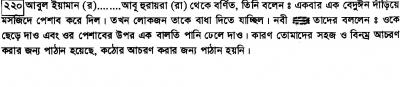
মসজিদের মত পবিত্র স্থানে পেশাব করতে দেখেও আল্লাহর রাসূল (সাঃ) বাধা পর্যন্ত দিতে দিলেন না। সেই বেদুঈন মসজিদের পবিত্রতা রক্ষা সম্পর্কে অজ্ঞ ছিলেন বলেই রাসূল (সাঃ) তাকে কঠোরভাবে নয়, বরং বিনম্র ও ভদ্রভাবেই তা জানিয়ে দিলেন। সহনশীল আচরণের শিক্ষা গ্রহণের জন্য এরপর আমাদেরকে আর কোন শিক্ষাগুরুর দারস্থ হবার প্রয়োজন আছে কি? কিন্তু হায়! অজ্ঞতাই যেন দিনকে দিন আমাদের মধ্যে অনেককে উদ্ধত ও অসহিষ্ণু করে তুলছে। মহান আল্লাহতায়ালা যেন আমাদেরকে সঠিকভাবে জানার ও মানার তৌফিক দান করেন।
নামাজ মুসলিমদের জন্য ফরজ ইবাদত সমূহের মধ্যে অন্যতম। এই অত্যাবশ্যক ইবাদতের ক্ষেত্রেও পরিবেশ ও পরিস্থিতির উপর নির্ভর করে শিথিলতা রয়েছে। যা জানা থাকলে মানার ব্যাপারেও ভীতি দূর হবে এবং সকল অবস্থায় সাচ্ছন্দে আমরা নামাজ আদায় করার প্রতি যত্নবান হতে পারব, ইনশাল্লাহ। আজ নামাজের সময় সম্পর্কে তুলে ধরার চেষ্টা করছি।
এর পূর্বে আল-কোরআন অনুসারে সালাত/ নামাজের ওয়াক্ত সম্পর্কে তুলে ধরেছিলাম। নামাজের ওয়াক্ত সম্পর্কে বিস্তারিতভাবে জানার জন্য রাসূল (সাঃ) কখন কিভাবে নামাজ আদায় করেছিলেন তা জানা জরুরী। এ বিষয়ে সহী হাদিছগুলো জেনে নিয়ে সেই অনুযায়ী নামাজ প্রতিষ্ঠার জন্য সচেষ্ট হতে হবে। এরপরও ছোট-খাট ভুলত্রুটি হয়ে গেলে রহমানুর রহীম মহান আল্লাহতায়ালা নিশ্চয় তা ক্ষমা করবেন এবং আমাদের প্রার্থনা কবুল করবেন।
সহী হাদিছ অনুসারে নামাজের ওয়াক্ত-
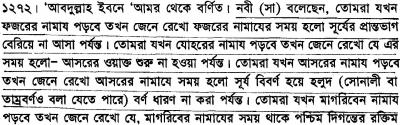
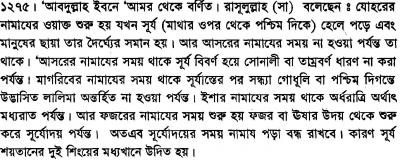
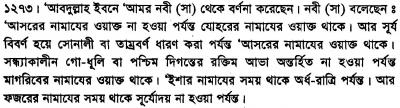
১/ ফজর- পাখি ডাকা ভোরে কিছুটা আঁধার থাকতেই অর্থাৎ সকালের আভা ছড়িয়ে পড়ার আগেই এই নামাজ আদায় করে নেয়া ভাল। তবে ক্ষেত্র বিশেষে প্রয়োজনে সূর্যের উদীয়মান প্রথম অংশ পূর্ব দিগন্তরেখা অতিক্রম করার আগ মুহূর্ত পর্যন্ত নামাজ আদায় করে নেয়া যেতে পারে। সূর্যোদয়ের সময় নামাজ পড়া নিষেধ।
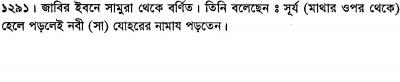
২/ জুহুর- মধ্যাহ্নে সূর্য তার সর্বোচ্চ স্থান থেকে কিছুটা হেলে পড়ার পর পরই নামাজ আদায় করে নেয়া ভাল। তবে সূর্যকিরণ যখন বেশ উত্তপ্ত থাকে, বিশেষ করে গ্রীষ্মকালে একটু দেরিতে অর্থাৎ সূর্যের তেজ কিছুটা কমে এলে নামাজ আদায় করে নেয়ার অবকাশ রয়েছে। ক্ষেত্র বিশেষে আছরের সময় হওয়া পর্যন্ত নামাজ আদায় করে নেয়া যেতে পারে।
৩/ আছর- জহুরের নামাজের পর অর্থাৎ মধ্যাহ্ন পেরিয়ে সূর্য যখন পশ্চিম দিগন্ত রেখা থেকে বেশ কিছুটা উপরে অবস্থান করে এবং সূর্যের উজ্জ্বলতা/তেজ বিরাজমান থাকে, সেই সময় থেকে সূর্যের সোনালী/তামাটে বর্ণ মিটে গিয়ে রক্তিম বর্ণ ধারণ করার পূর্বেই নামাজ আদায় করে নেয়া ভাল। সে সময় সূর্য দিগন্ত রেখা থেকে এতটা উপরে থাকা উচিত যে, জানালা গলে ঘরের মাঝে ছড়িয়ে পড়া সূর্যকিরণ মিটে গিয়ে যেন ছায়া ঘনিয়ে না আসে। তবে ক্ষেত্র বিশেষে প্রয়োজনে সূর্যের অস্তগামী প্রথম অংশ দিগন্তরেখা অতিক্রম করার আগ মূহুর্ত পর্যন্ত নামাজ আদায় করে নেয়া যেতে পারে। সূর্যাস্তের সময় নামাজ পড়া নিষেধ।
৪/ মাগরিব- সূর্য সম্পূর্ণরূপে অস্ত যাবার পর কিছু সময়ের মধ্যেই নামাজ আদায় করে নেয়া ভাল। তবে সূর্যাস্তের পর হতে যতক্ষণ পর্যন্ত নিক্ষিপ্ত কোন তীরের পতিত হবার স্থান দৃষ্টিগোচর হয় অর্থাৎ গোঁধুলির রেশ বিরাজমান থাকা (পশ্চিম দিগন্তের লাল আভা অদৃশ্য হয়ে রাতের অন্ধকার ঘনিয়ে না আসা) পর্যন্ত নামাজ আদায় করে নেয়া যেতে পারে।
৫/ ইশা- গোধুলী পেরিয়ে রাতের অন্ধকার ঘনিয়ে আসার পর হতে এই নামাজের ওয়াক্ত শুরু হয় এবং রাতের এক তৃতীয়াংশ সময় থেকে মধ্যরাত পর্যন্ত যে কোন সময়ে নামাজ আদায় করে নেয়া যেতে পারে।
ফজর, জহুর, আছর ও মাগরিবের নামাজ বেশি দেরি না করে ওয়াক্ত হয়ে যাবার কিছু সময়ের মধ্যেই আদায় করে নেয়া উত্তম। কোন কারনে সময় সম্পর্কে বেখেয়াল হয়ে গেলে বা ঘুমিয়ে থাকলে বা কোন বিশেষ কারনে কোন নির্দিষ্ট নামাজের ওয়াক্ত/সময় পেরিয়ে গেলে যত তাড়াতাড়ি সম্ভব তা আদায় করে নিতে হবে। এক্ষেত্রে অবশ্যই নামাজের ধারাবাহিকতা বজায় রাখতে হবে অর্থাৎ যে ওয়াক্তের নামাজ মিস হয়েছে তা আগে আদায় কোরে নিতে হবে। যেমন সূর্যাস্তের আগে আছরের নামাজ আদায় করা সম্ভব না হলে সূর্যাস্তের পর আগে আছরের নামাজ এবং তারপর মাগরিবের নামাজ আদায় করতে হবে। তবে এরজন্য মহান আল্লাহতায়ালার কাছে ক্ষমা চেয়ে নিতে হবে। সফরে থাকলে মাগরিব একটু দেরিতে পড়ে তার পরপরই ইশার নামাজ আদায় করে নেয়ার অবকাশ রয়েছে। আবার সূর্য ঢলে পড়ার আগে সফরে বের হলে জুহুর একটু দেরিতে পড়ে একসাথে আছরের নামাজ আদায় করে নেয়া যায়।
...................................................
সহীহ মুসলীম, ২য় খন্ড, বাংলাদেশ ইসলামিক সেন্টার, ঢাকা
অনুচ্ছেদ- ৩৩: পাঁচ ওয়াক্ত নামাজের সময়-

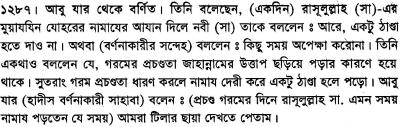
অনুচ্ছেদ- ৩৮: সালাতুল উসতা বা মধ্যবর্তী নামাজের সময়-
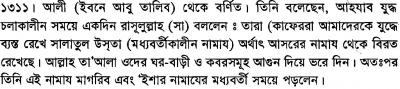
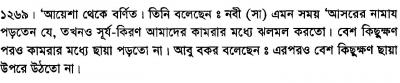
............................................
বুখারী শরীফ- ২য় খন্ড- ইসলামিক ফাউন্ডেশন বাংলাদেশ
'সালাতের ওয়াক্তসমূহ'



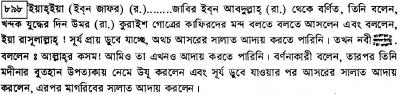




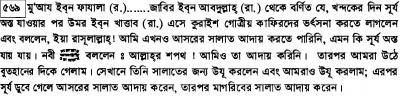
....................................................
'Times of the Prayers' of Sahih Bukhari.
506: Narrated Abu Huraira: I heard Allah's Apostle saying, "If there was a river at the door of anyone of you and he took a bath in it five times a day would you notice any dirt on him?" They said, "Not a trace of dirt would be left." The Prophet added, "That is the example of the five prayers with which Allah blots out (annuls) evil deeds." (01)
511: Narrated Abu Dhar: The Muadhdhin (call-maker) of the Prophet pronounced the Adhan (call) for the Zuhr prayer but the Prophet said, "Let it be cooler, let it be cooler." Or said, 'Wait, wait, because the severity of heat is from the raging of the Hell-fire. In severe hot weather, pray when it becomes (a bit) cooler and the shadows of hillocks appear." (02)
518: Narrated Ibn 'Abbas: "The Prophet prayed eight Rakat for the Zuhr and 'Asr, and seven for the Maghrib and 'Isha prayers in Medina." Aiyub said, "Perhaps those were rainy nights." Anas said, "May be." (03)
521: Narrated Aisha: The Prophet used to pray the 'Asr prayers at a time when the sunshine was still inside my chamber and no shadow had yet appeared in it. (04)
527: Narrated Ibn 'Umar: Allah's Apostle said, "Whoever misses the 'Asr prayer (intentionally) then it is as if he lost his family and property." (05)
531: Narrated Abu Huraira: Allah's Apostle said, "If anyone of you can get one Rak'a of the 'Asr prayer before sunset, he should complete his prayer. If any of you can get one Rak'a of the Fajr prayer before sunrise, he should complete his prayer." (06)
535: Narrated Jabir bin 'Abdullah: The Prophet used to pray the Zuhr at mid-day, and the 'Asr at a time when the sun was still bright, the Maghrib after sunset (at its stated time) and the Isha at a variable time. Whenever he saw the people assembled (for Isha' prayer) he would pray earlier and if the people delayed, he would delay the prayer. And they or the Prophet used to offer the Fajr Prayers when it still dark. (07)
53).536: Narrated Salama: We used to pray the Maghrib prayer with the Prophet when the sun disappeared from the horizon. (08)
547: Narrated Jarir bin 'Abdullah: We were with the Prophet on a full moon night. He looked at the moon and said, "You will certainly see your Lord as you see this moon, and there will be no trouble in seeing Him. So if you can avoid missing (through sleep, business, etc.) a prayer before the rising of the sun (Fajr) and before its setting ('Asr) you must do so. He (the Prophet ) then recited the following verse: And celebrate the praises Of Your Lord before The rising of the sun And before (its) setting." (50.39) (09)
549: Narrated Anas: Zaid bin Thabit said, "We took the "Suhur" (the meal taken before dawn while fasting is observed) with the Prophet and then stood up for the (morning) prayer." I asked him how long the interval between the two (Suhur and prayer) was. He replied, 'The interval between the two was just sufficient to recite fifty to Sixth 'Ayat." (10)
555: Narrated 'Umar: "The Prophet forbade praying after the Fajr prayer till the sun rises and after the 'Asr prayer till the sun sets." (11)
557: Narrated Hisham's father: Ibn 'Umar said, "Allah's Apostle said, 'Do not pray at the time of sunrise and at the time of sunset.' " Ibn 'Umar said, "Allah's Apostle said, 'If the edge of the sun appears (above the horizon) delay the prayer till it becomes high, and if the edge of the sun disappears, delay the prayer till it sets (disappears completely)." (12)
569: Narrated 'Abdullah bin Abi Qatada: My father said, "One night we were traveling with the Prophet and some people said, 'We wish that Allah's Apostle would take a rest along with us during the last hours of the night.' He said, 'I am afraid that you will sleep and miss the (Fajr) prayer.' Bilal said, 'I will make you get up.' So all slept and Bilal rested his back against his Rahila and he too was overwhelmed (by sleep) and slept. The Prophet got up when the edge of the sun had risen and said, 'O Bilal! What about your statement?' He replied, 'I have never slept such a sleep.' The Prophet said, 'Allah captured your souls when He wished, and released them when He wished. O Bilal! Get up and pronounce the Adhan for the prayer.' The Prophet performed ablution and when the sun came up and became bright, he stood up and prayed." (13)
570: Narrated Jabir bin 'Abdullah: On the day of Al-Khandaq (the battle of trench.) 'Umar bin Al-Khattab came cursing the disbelievers of Quraish after the sun had set and said, "O Allah's Apostle I could not offer the 'Asr prayer till the sun had set." The Prophet said, "By Allah! I, too, have not prayed." So we turned towards Buthan, and the Prophet performed ablution and we too performed ablution and offered the 'Asr prayer after the sun had set, and then he offered the Maghrib prayer. (14)
571: Narrated Anas: The Prophet said, "If anyone forgets a prayer he should pray that prayer when he remembers it. There is no expiation except to pray the same." Then he recited: "Establish prayer for My (i.e. Allah's) remembrance." (20.14). (15)
574: Narrated Qurra bin Khalid: Once he waited for Al-Hasan and he did not show up till it was about the usual time for him to start his speech; then he came and apologized saying, "Our neighbors invited us." Then he added, "Narrated Anas, 'Once we waited for the Prophet till it was midnight or about midnight. He came and led the prayer, and after finishing it, he addressed us and said, 'All the people prayed and then slept and you had been in prayer as long as you were waiting for it." Al-Hasan said, "The people are regarded as performing good deeds as long as they are waiting for doing good deeds." Al-Hasan's statement is a portion of Anas's Hadith from the Prophet . (16)
………………………………………………
Sahih Muslim - The Book of Prayers (Kitab Al-Salat)
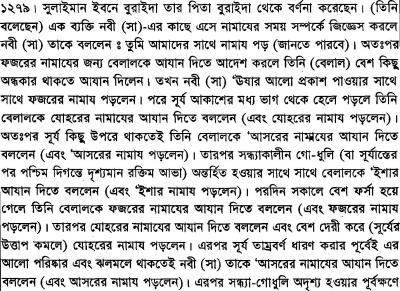
Chapter 74: TIMES OF PRAYER, Book 004, Number-1278:
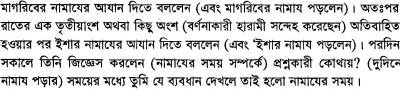
Sulaiman b. Buraida narrated it on the authority of his father that a person asked the Apostle of Allah (may peace be upon him) about the time of prayer. Upon this he said: Pray with us these two, meaning two days. When the sun passed the meridian. he gave command to Bilal who uttered the call to prayer. then lie commanded him and pronounced Iqama for noon prayer (Then at the tine of the afternoon prayer) he again commanded and Iqama for the afternoon prayer was pronounced when the sun was high, white and clear. He then commanded and Iqama for the evening prayer was pronounced, when the sun had set. He then commanded him and the Iqama for the night prayer was pronounced When the twilight had disappeared. He then commanded him and the Iqama for the morning prayer was pronounced, when the dawn had appeared. When it was the next day, he commanded him to delay the noon prayer till the extreme heat had passed and he did so, and he allowed it to be delayed till the extreme heat had passed. He observed the afternoon prayer when the sun was high, delaying it beyond the time he had previously observed it. He observed the evening prayer before the twilight had vanished; he observed the night prayer when a third of the night had passed; and he observed the dawn prayer when there was clear daylight. He (the Holy Prophet) then said: Where is the man who inquired about the time of prayer? He (the inquirer) said: Messenger of Allah I here I am. He (the Holy Prophet) said: The time for your prayer is within the limits of what you have seen. (17)
________________________________________
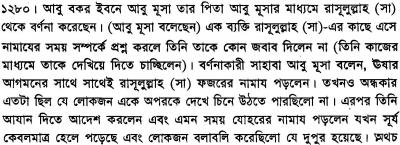
Book 004, Number 1279:
Buraida narrated on the authority of his father that a man came to the Prophet (may peace be upon him) and asked about the times of prayer. He said: You observe with us the prayer. He commanded Bilal, and he uttered the call to prayer in the darkness of night preceding daybreak and he said the morning prayer till dawn had appeared. He then commanded him (Bilal) to call for the noon prayer when the sun had declined from the zenith. He then commanded him (Bilal) to call for the afternoon prayer when the sun was high. He then commanded him for the evening prayer when the sun had set. He then commanded him for the night prayer when the twilight had disappeared. Then on the next day he commanded him (to call for prayer) when there was light in the morning. He then commanded him (to call) for the noon prayer when the extreme heat was no more. He then commanded him for the afternoon prayer when the sun was bright and clear and yellowness did not blend with it. He then commanded him to observe the sunset prayer. He then commanded him for the night prayer when a third part of the night bad passed or a bit less than that. Harami (the narrator of this hadith) was in doubt about that part of the mentioned hadith which concerned the portion of the night. When it was dawn, he (the Holy Prophet) said: Where is the inquirer (who inquired about the times of prayer and added): Between (these two extremes) is the time for prayer. (18)
________________________________________
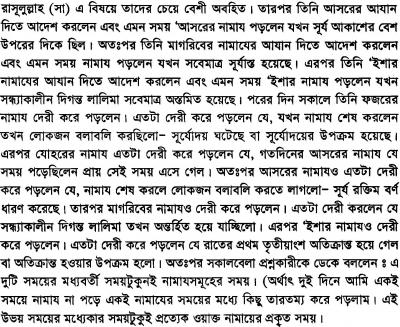
Book 004, Number 1280:
Abu Musa narrated on the authority of his father that a person came to the Messenger of Allah (may peace be upon him) for inquiring about the times of prayers. He (the Holy Prophet) gave him no reply (because he wanted to explain to him the times by practically observing these prayers). He then said the morning player when it was daybreak, but the people could hardly recognise one another. He then commanded and the Iqama for the noon prayer was pronounced when the tan had passed the meridian and one would say that it was midday but he (the Holy Prophet) knew batter than them. He then again commanded and the Iqama for the afternoon prayer was pronounced when the sun was high. He then commanded and Iqama for the evening prayer was pronounced when the sun had sunk. He then commanded and Iqama for the night prayer was pronounced when the twilight had disappeared. He then delayed the morning prayer on the next day (so much so) that after returning from it one would say that the sun had risen or it was about to rise. He then delayed the noon prayer till it was near the time of afternoon prayer (as it was observed yesterday). He then delayed the afternoon prayer till one after returning from it would say that the sun had become red. He then delayed the evening prayer till the twilight was about to disappear. He then delayed the night prayer till it was one-third of the night. He then called the inquirer in the morning and said: The time for prayers is between these two extremes). (19)
সর্বশেষ এডিট : ১৯ শে মার্চ, ২০১২ বিকাল ৪:২২