অনুগ্রহ করে অপেক্ষা করুন। ছবি আটো ইন্সার্ট হবে।


জনাব সাইমুমের একটি পোস্ট আমার দৃষ্টি আকর্ষন করেছে- রাজাকারদের বিচার করবে কে? উনি যেসব যুক্তি দিয়েছেন তা আসলে অপযুক্তির কাতারেই পরে। এবং নিমর্ূল কমিটির নেতাদের টাকা খেয়ে গোআযমের নাগরিকত্বসুনিশ্চিতকরণটিও আপনার মতো বুদ্ধিজীবির কলমে কাম্য নয়।
1978 সালের 11 জুলাই প্রেসিডেন্ট জিয়ার শাসনামলে অসুস্থ মাকে দেখার অজুহাতে পাকিস্তানী পাসপোর্ট নিয়েই এদেশে ঢোকে গোলাম আযম। বঙ্গবন্ধু যুদ্ধাপরাধে নাগরিকত্ব বাতিল করেছিলেন এই রাজাকার শিরোমনির। এরপর তার ভিসার মেয়াদ আর ফুরোয় না! উলটো 29 ডিসেম্বর '91 তাকে আমির নির্বাচিত করে জামাতে ইসলামী। অথচ গো আযম তখনো কাগজে কলমে পাকিস্তানী নাগরিক!
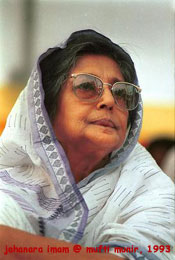
1992 সালের 1 জানুয়ারী শহীদ জননী জাহানারা ইমামের নেতৃত্বে 101 সদস্য বিশিষ্ট ঘাতক দালাল নিমর্ূল কমিটি গঠিত হয়।ঘোষিত হয় 21তম স্বাধীনতা দিবসে গন আদালতে ঘাতক-দালালদের বিচারের। এরপর খালেদা সরকার চাতুরী করে গোলাম আযমকে জেলে পাঠায় মার্চ। অন্যদিকে হুমকি ও হয়রানী শুরু হয় জাহানারা ইমাম ও তার 24 জন নিবেদিত প্রা ণ সহযোগীর বিরুদ্ধে।
একসময় তার বিরুদ্ধে দেশদ্রোহিতার অভিযোগ আনা হয় এবং সেই অভিযোগ নিয়েই ক্যানসারে 1994 সালের 26 জুন মারা যান মুক্তিযুদ্ধের গর্ব শহীদ রুমির মা।
তাই বলে কী শেষ হয়ে ঘাতক দালাল নিমর্ূল কমিটির কার্যক্রম। হাহাহা। কাদের বিরুদ্ধে আনা হয়েছিল অভিযোগ :গোলাম আযম তো ছিলই। অছিলনতার আরো 16 সহযোগী-আব্বাস আলী খান, নিজামী, কামরুজ্জামান, মুজাহিদ, খালেদ মজুমদার, সাজ্জাদ আহমেদ প্রমুখ। এদের বিরুদ্ধে গন আদালতে সাক্ষ্যও দেওয়া হয়। আমি শুধু কামারুজ্জামানের অংশটুক ু তুলে ধরছি (কারণ এ কারণে আমাকে সর্বশ্রেষ্ঠ মিথ্যেবাদী উপাধী দেওয়া হয়েছে)
7.3. Muhammad Kamruzzaman
MUHAMMAD KAMRUZZAMAN is currently the Assistant Secretary General of Jamaat-e-Islami, Bangladesh. He is the former executive editor of the party mouthpiece Daily Sangram, and presently editor of the weekly Sonar Bangla.
Information about his anti-liberation activities and complicity in war crimes in 1971 have been gathered from newspapers of the time, authoritative books on the history of the war and from testimony of eyewitnesses and victims. In 1971, Kamruzzaman was the leader of the Islami Chattra Sangha in the district of Mymensingh, and he was the principal organiser of the Al-Badr force, which was first formed in the nearby area of Jamalpur.
An article in the Daily Sangram on August 16, 1971, said, "A rally and symposium were organised in Mymensingh by the Al-Badr to celebrate the 25th independence day of Pakistan. The chief organiser of the Al-Badr, Muhammad Kamruzzaman presided over the symposium held at the local Muslim Institute. According to a wire service report, speakers at the symposium issued strong warnings about those involved in the conspiracy to destroy the country"
In the research-based historical book, Killers and Collaborators of 1971: An Account of Their Whereabouts, compiled by the Centre for the Development of the Spirit of the Liberation War, more light is thrown on the role of Kamruzzaman in 1971: "As soon as Al-Badr was formed in Jamalpur as a volunteers' organisation, the Jamaat leadership realised that their student wing could be turned into an armed force, and used as a special squad to carry out killings of intellectuals, in addition to carrying out general war duties. First, activists of the Islami Chattra Sangha in the entire district of Mymensingh were organised as the Al-Badr and given weapons training. Kamruzzaman was in charge of this organisational work. Within a month, Kamruzzaman incorporated all the cadres of the ICS into the Al-Badr" (page 111- 112).
One Fazlul Huq of Sherpur area, father of a martyr, told the Commission that sometime in June or July in 1971, his son Badiuzzaman was taken away by an 11-member Al-Badr squad led by Kamruzzaman. Huq said his son was taken to the Pakistan army camp in nearby Ahmednagar and murdered. After independence, the late Badiuzzaman's brother Hasanuzzaman filed a case at the Nalitabari police station, with Kamruzzaman as the principal among the 18 accused in the murder of Badiuzzaman.
In the same Sherpur area, one Shahjahan Talukdar told the Commission that cadres of the Al-Badr kidnapped his cousin Golam Mostafa on August 24, 1971, in broad daylight. Mostafa was then taken to the local Al-Badr camp, which was set up in a house on Surendra Mohan Road of Sherpur town. After brutally torturing Mostafa at the camp, Al-Badr forcibly took him to the nearby Sherry Bridge and shot him dead. Kamruzzaman was known to have ordered the killing. Many others in Sherpur confirmed that the killing of Golam Mostafa was carried out on Kamruzzaman's direct order.
Allegations of torture at the Al-Badr camp in Sherpur were also made by Tapas Shaha, a former student leader of the area. He said men, women and youth of the area used to be taken forcibly to the camp where Al-Badr cadres under direct supervision of Kamruzzaman used to carry out gruesome acts of torture.
For instance, one Majid, at the time an elected office-bearer of the town council, was taken to the camp and kept inside a darkened hole for a whole day.
In the middle of May, the then head of the Department of Islamic History and Culture at Sherpur College, Syed Abdul Hannan was paraded through the streets of the town, totally naked, with his head shaven and a "garland" of shoes around his neck. Kamruzzaman and his cohorts dragged the professor around the town in mid-day, beating him with leather whips as he was dragged, Tapas Shaha told the Commission.
Ziaul Huq, a former town leader of the Awami League said, he was taken by three Al-Badr men on August 22 at around 5pm. He was then kept at the camp for two days, in the darkened hole. He said, the camp or torture centre was being run by Kamruzzaman. He was released after being told to leave the area, otherwise he was told he would be killed, Huq told the Commission.
Emdadul Huq Hira, a former freedom fighter and currently a leader of the Jatiya Party, said his home was burnt down by Pakistani troops who were being guided by Kamruzzaman. He told the Commission that the troops set up five bunkers in the premises of his home, and used a litchi tree in the courtyard to tie up prisoners before shooting them dead.
Another eyewitness Musfiquzzaman, currently a teacher at the Haji Jal Mamud College in Sherpur, said that homes and business establishments at Tin Ani Bazar were looted in the middle of August in the presence of and under the leadership of Kamruzzaman.
One eyewitness, who worked as a driver of trucks, which were used to carry troops as well as prisoners and dead bodies said, that Kamruzzaman guided Pakistani troops to the house of a freedom fighter identified only as Honta. The troops burned the house down, the driver said.
There were also allegations that Kamruzzaman organised and led robbery gangs in the area.
যাহোক নুরেমবার্গ ট্রায়ালে দ্্বিতীয় বিশ্বযুদ্ধের অপরাধীদের বিচার হয়েছে। ইহুদিরা খুজে খুজে বের করে বিচার করেছে তাদের হত্যাকারীদের। বাঙালীও প্রয়োজনে তাই করবে।
লিংক :http://www.iftwcb.org/
সর্বশেষ এডিট : ১০ ই জুন, ২০০৮ সকাল ৭:১০